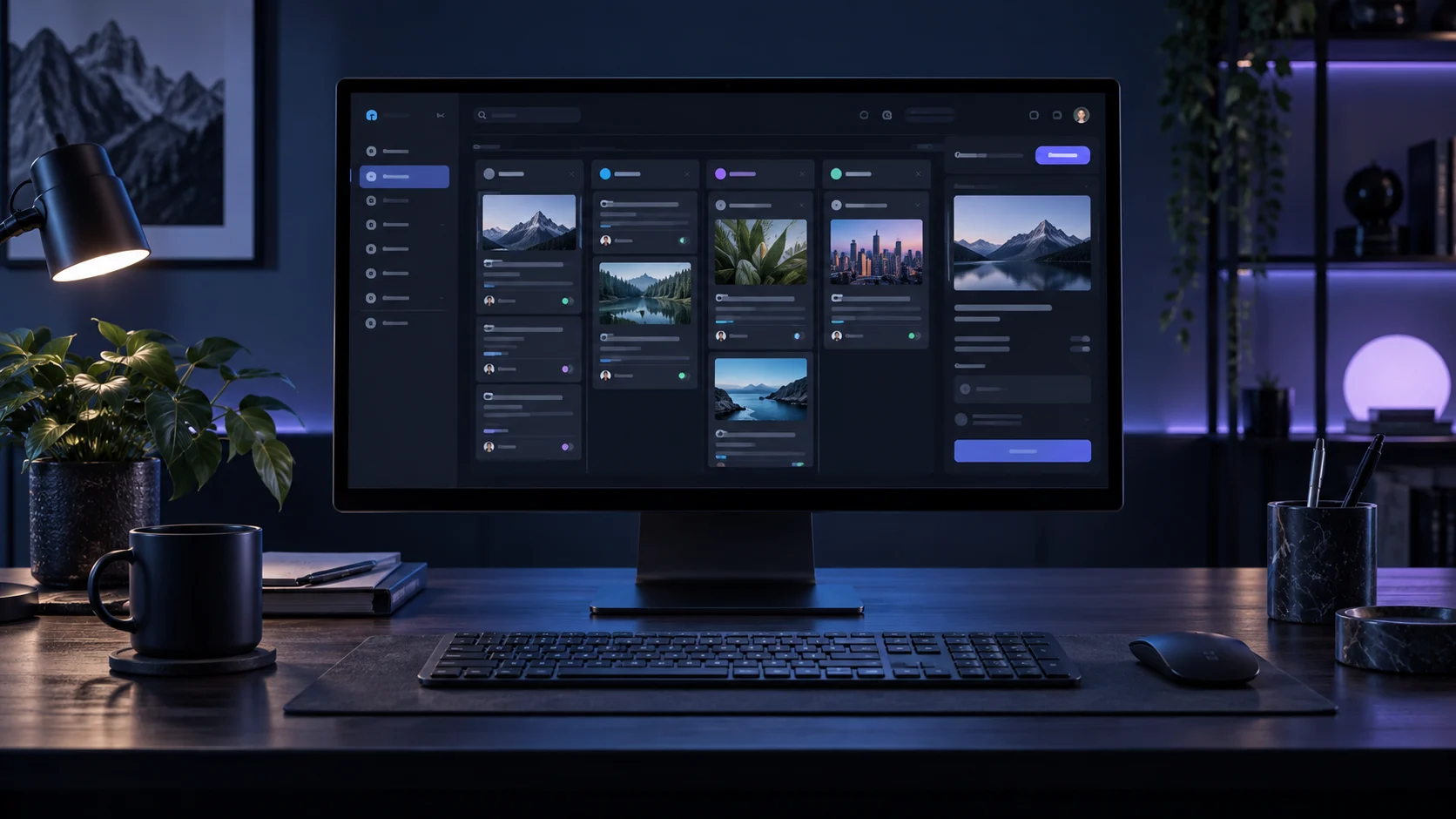
Every website needs a way to manage its content. For years, the default answer has been a popular off-the-shelf platform like WordPress, Joomla or Drupal. They're free to start, easy to install and backed by huge communities. So why are more and more businesses choosing a custom-built content management system instead?
The short answer: because one size rarely fits all. Let's look at why.
What is a custom CMS?
A custom CMS is a content management system built specifically for your website and your workflow. Instead of adapting your business to the software, the software is designed around the way your team already works.
Traditional platforms are built to serve millions of different websites at once. That's their strength, but it's also their biggest weakness.
1. You only get what you actually need
Off-the-shelf systems come packed with features most people never use. The result is a cluttered admin panel, a slower website and a steeper learning curve for your team.
A custom CMS includes exactly the tools you need and nothing more. Editors log in, see a clean interface and get their work done without hunting through menus.
2. Better performance
Many traditional sites rely on dozens of plugins to add basic features. Every plugin adds extra code, extra database queries and extra loading time.
A custom system is built lean from the start. Pages load faster, which means happier visitors and better search engine rankings, since Google rewards fast websites.
3. Stronger security
Popular platforms are popular targets. Because thousands of websites share the same code, one discovered vulnerability can put all of them at risk. Outdated plugins are one of the most common ways websites get hacked.
A custom CMS has a much smaller attack surface. Its code isn't public, it doesn't depend on third-party plugins from unknown developers, and security can be designed in from day one.
4. Built around your workflow
Do you need a special approval process before content goes live? Custom user roles? Integration with your CRM, ERP or internal database? With a traditional platform, these often require complicated workarounds or expensive premium plugins.
With a custom CMS, these features are part of the core system and work exactly the way you expect.
5. Room to grow
As your business grows, your website needs to grow with it. Traditional platforms can become harder to maintain as you add more content, more users and more features.
A custom solution is built with scalability in mind. New features can be added cleanly, without worrying that the next platform update will break something.
6. No surprise costs or lock-in
"Free" platforms often become expensive over time: premium themes, paid plugins, yearly licences and developer hours spent fixing conflicts after updates. With a custom CMS, you own the solution and you know exactly what you're paying for.
Is a custom CMS right for everyone?
Not always. If you need a simple personal blog or a small brochure website, a traditional platform may be perfectly fine. But if your website is central to your business, handles a lot of content, or needs to connect with other systems, a custom CMS is often the smarter long-term investment.
The bottom line
A traditional CMS asks you to adapt to it. A custom CMS adapts to you. If you want a faster, safer and easier-to-use website that grows with your business, it's worth considering a solution built specifically for you.